
Human IgG1 Fc-engineered expression vectors for investigating FcRn interactions, antibody recycling, and pharmacokinetic modulation, including YTE, LS, LA, QL, and other Fc variants.
FcRn / PK-MODULATED ANTIBODY EXPRESSION VECTOR SELECTION GUIDE
Compare eight human IgG1 Fc variants for studies of FcRn binding, antibody persistence, and altered clearance.
| Catalog No. | Variant | Engineering Mechanism | Selection Guidance |
|---|---|---|---|
| AFV-06 | Human IgG1 (YTE) | M252Y / S254T / T256E | Established FcRn-engineering variant for investigating pH-dependent FcRn binding and potential half-life extension. |
| AFV-26 | Human IgG1 (LA) | M428L / N434A | Dual-residue FcRn-interface variant for comparing recycling-related binding properties with LS and other Fc variants. |
| AFV-27 | Human IgG1 (LS) | M428L / N434S | Widely studied FcRn-enhancing variant for evaluating extended antibody persistence. |
| AFV-28 | Human IgG1 (QL) | T250Q / M428L | FcRn-interface engineering for studying pH-dependent binding and pharmacokinetic modulation. |
| AFV-29 | Human IgG1 (YTE + KF) | M252Y / S254T / T256E / H433K / N434F | Combined FcRn-interface mutations for comparative binding and recycling studies; functional direction requires experimental validation. |
| AFV-30 | Human IgG1 (I253A) | I253A | FcRn-contact-site substitution for investigating reduced FcRn binding and altered recycling or clearance. |
| AFV-31 | Human IgG1 (N434A) | N434A | Single-residue FcRn-interface variant for comparative pH-dependent binding studies. |
| AFV-32 | Human IgG1 (V308P) | V308P | Fc variant for investigating changes in FcRn interaction and antibody disposition. |
FcRn affinity, pH selectivity, recycling, and in vivo half-life depend on antibody sequence, Fc context, species, and assay conditions. Evaluate binding at acidic and near-neutral pH and validate pharmacokinetics experimentally.
Showing all 8 results
-
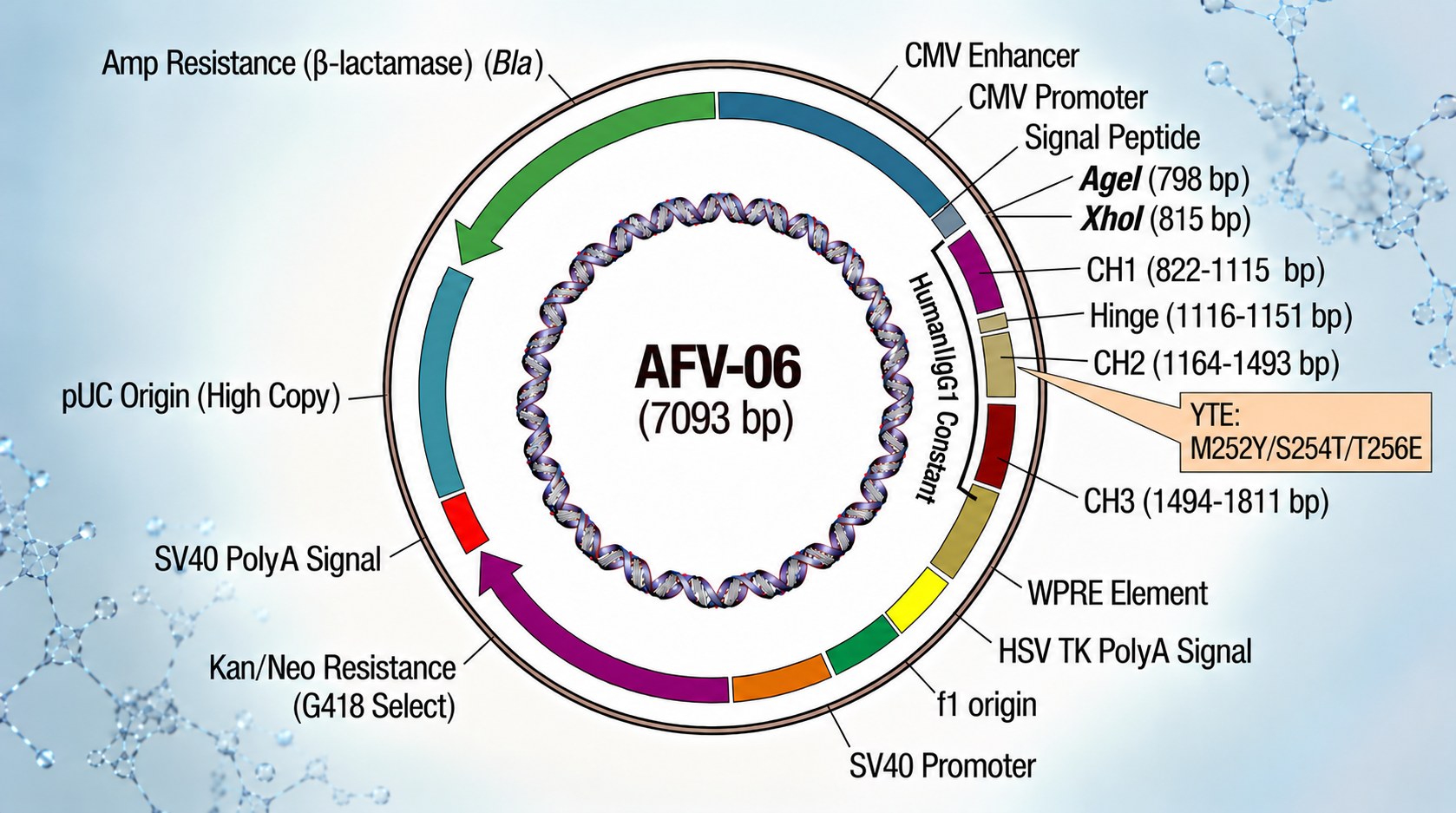
Human IgG1 (YTE: M252Y/S254T/T256E)
Price range: $680.00 through $1,240.00 -
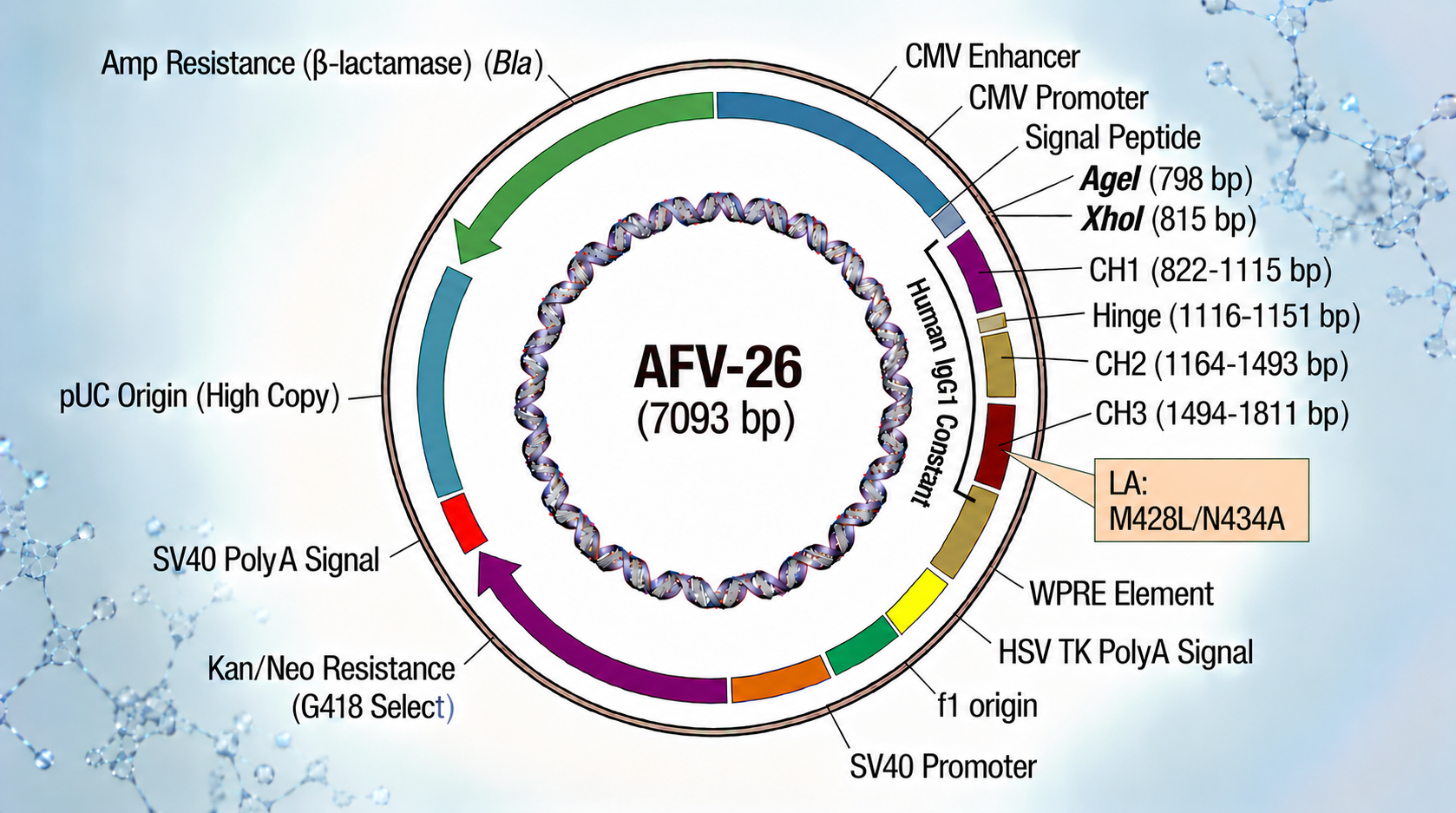
Human IgG1 (LA: M428L/N434A)
Price range: $680.00 through $1,240.00 -
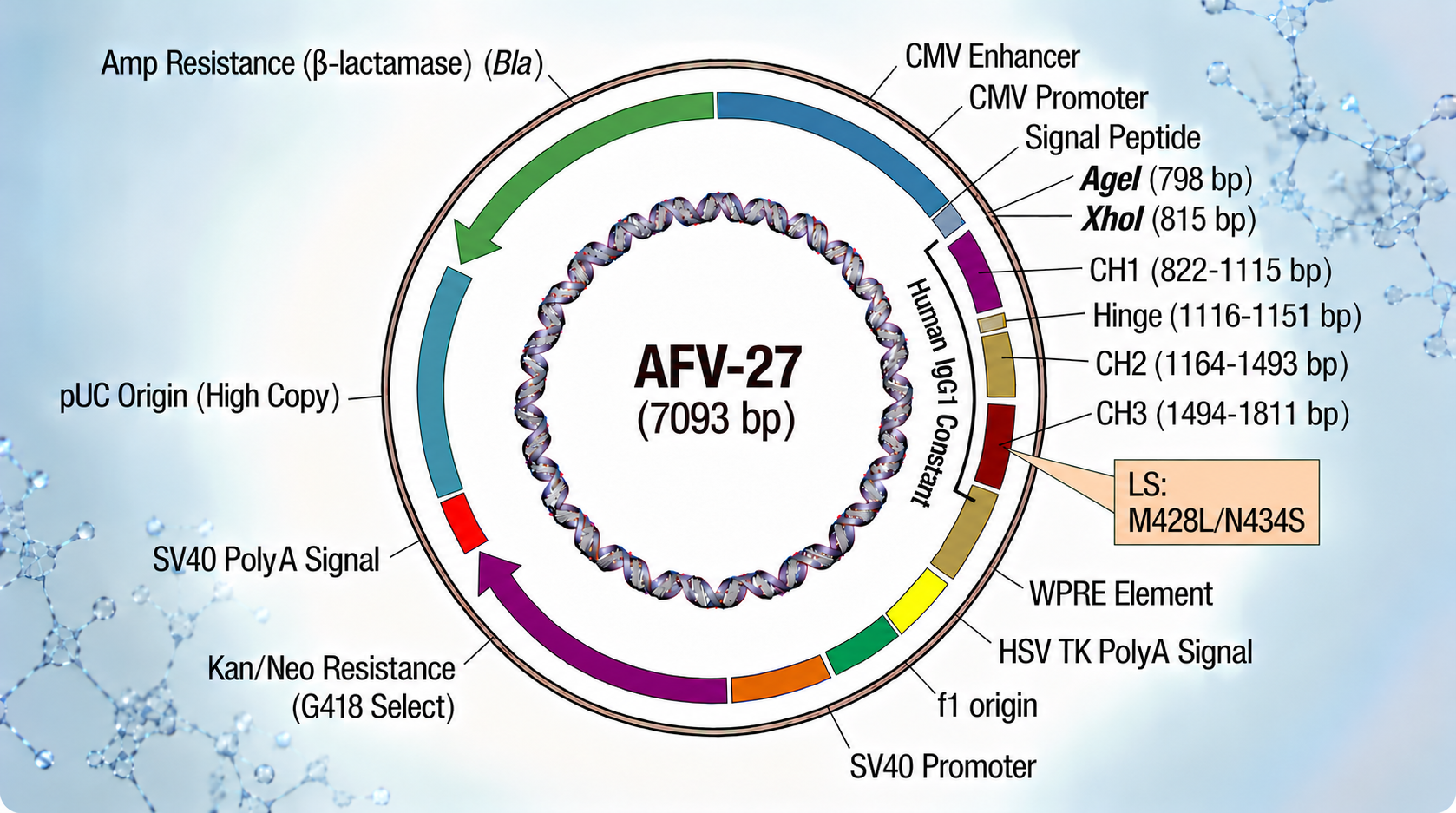
Human IgG1 (LS: M428L/N434S)
Price range: $680.00 through $1,240.00 -
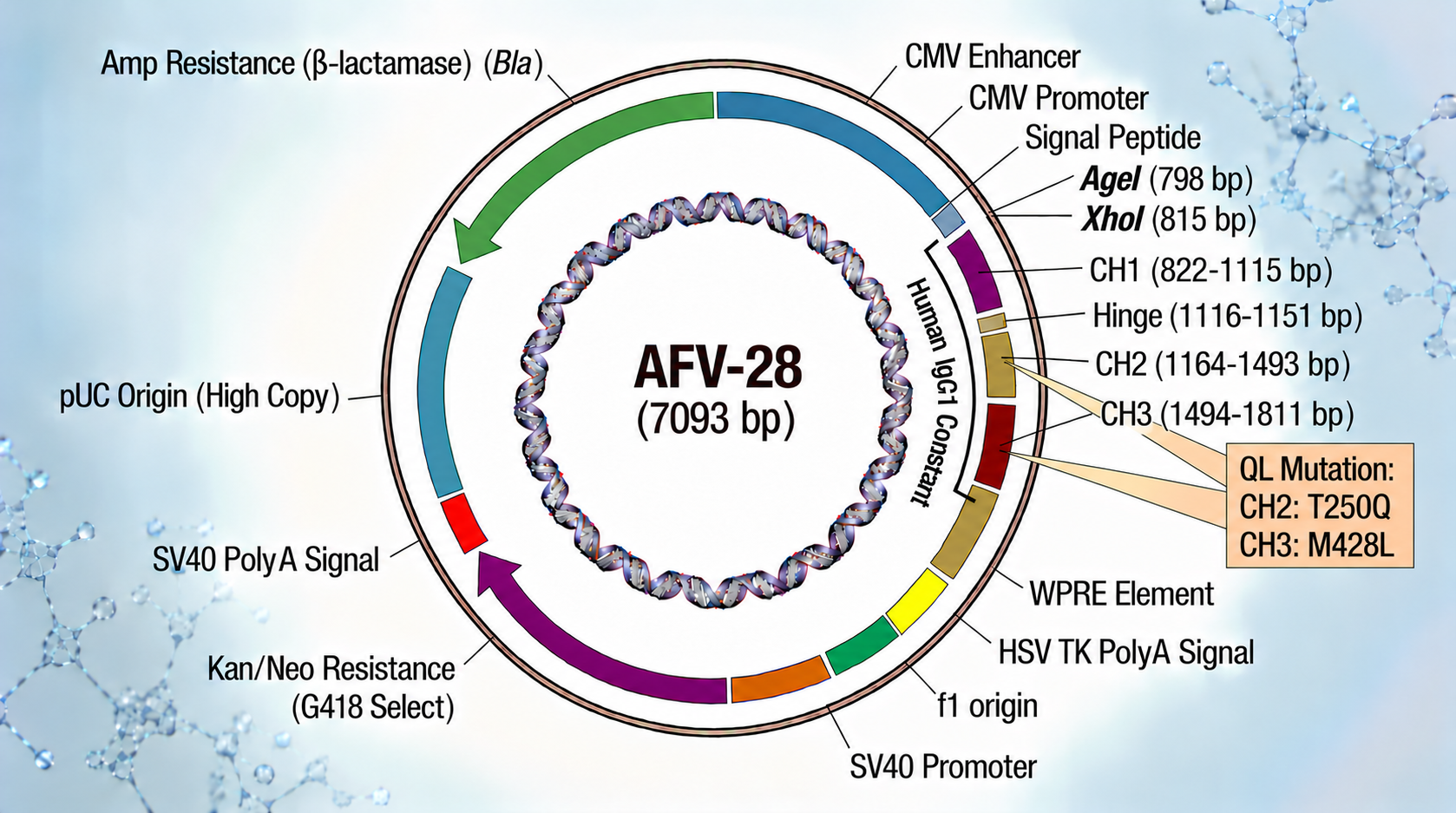
Human IgG1 (T250Q/M428L)
Price range: $680.00 through $1,240.00 -
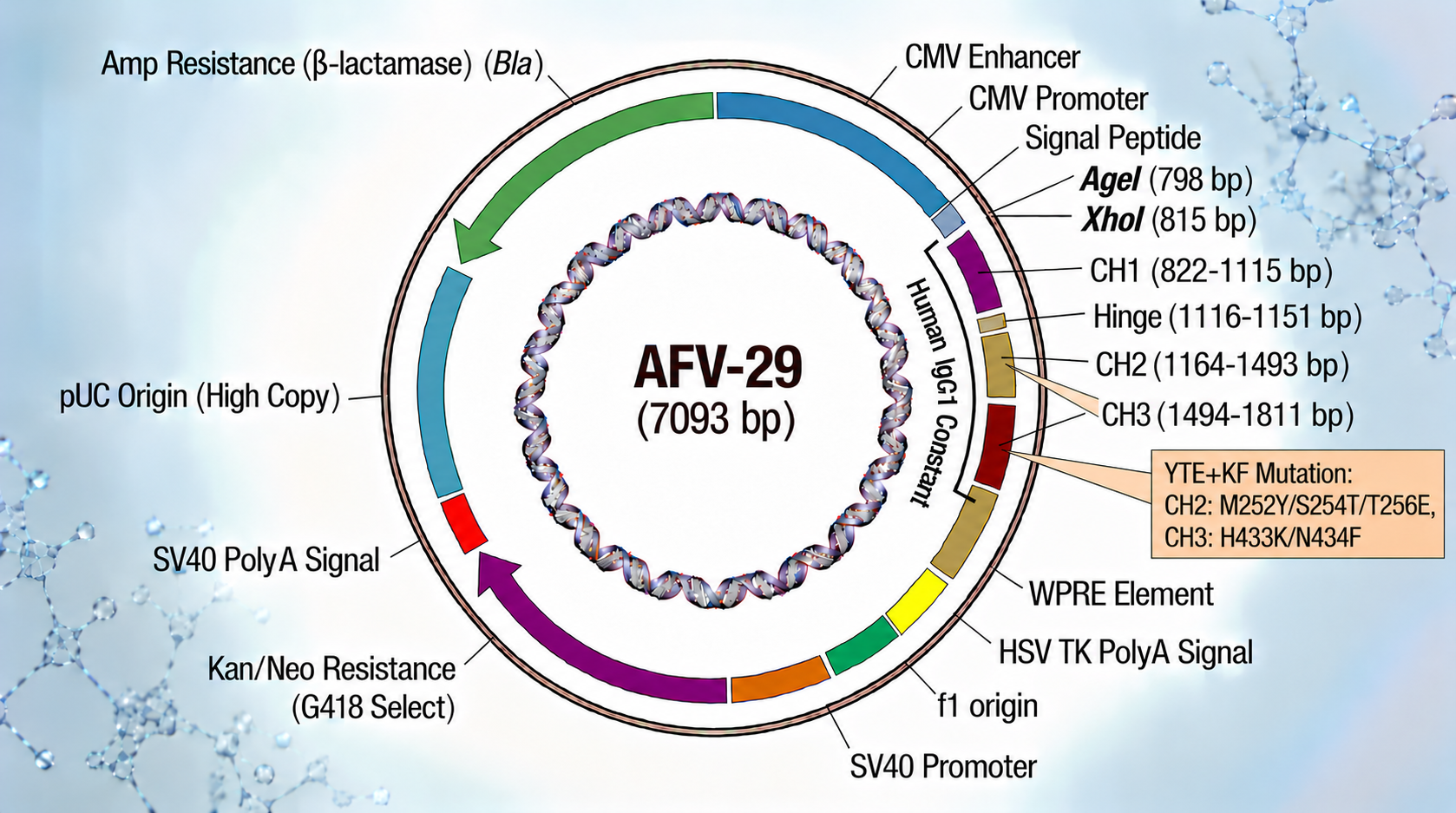
Human IgG1 (M252Y/S254T/T256E + H433K/N434F)
Price range: $680.00 through $1,240.00 -
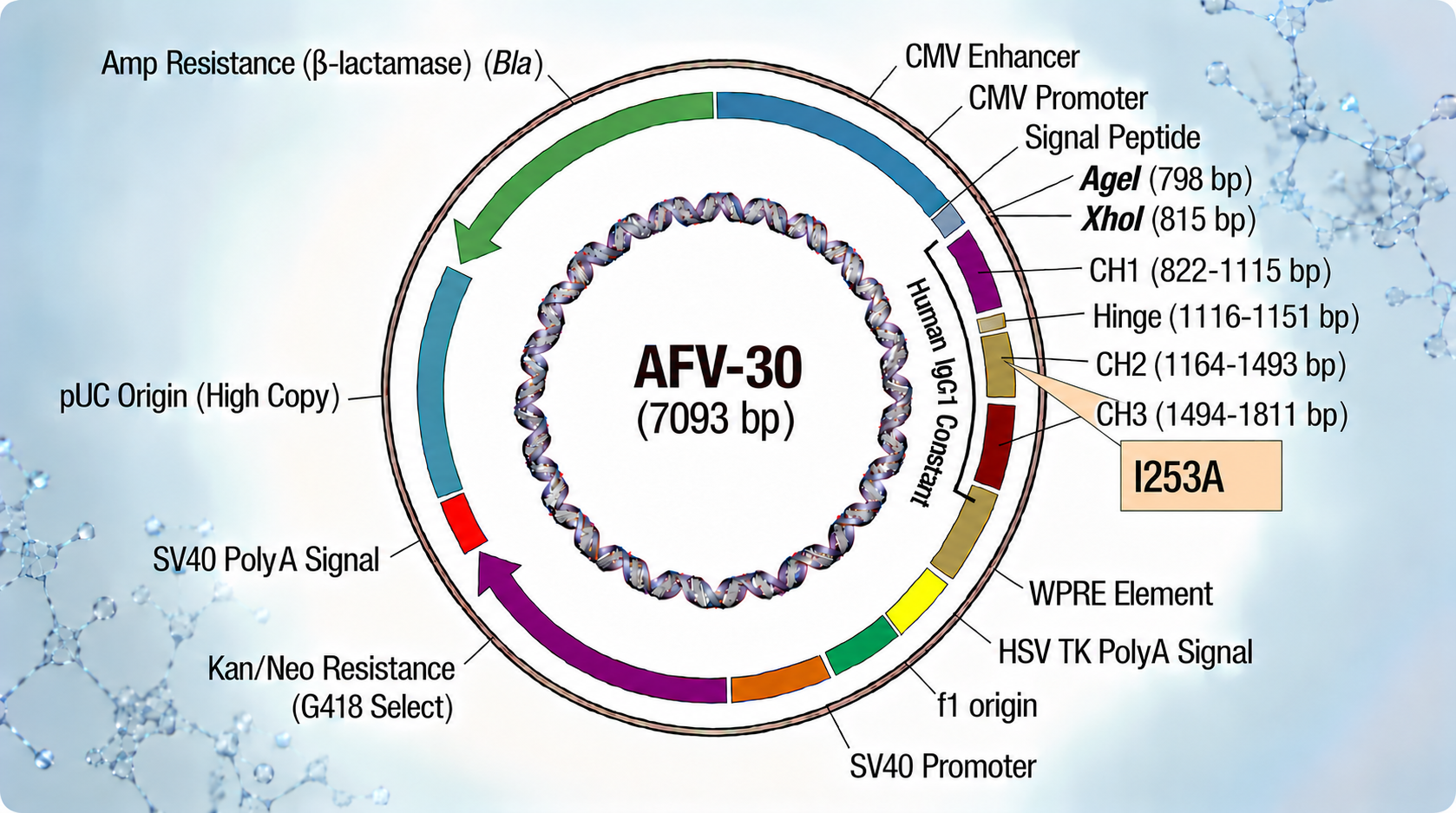
Human IgG1 (I253A)
Price range: $680.00 through $1,240.00 -
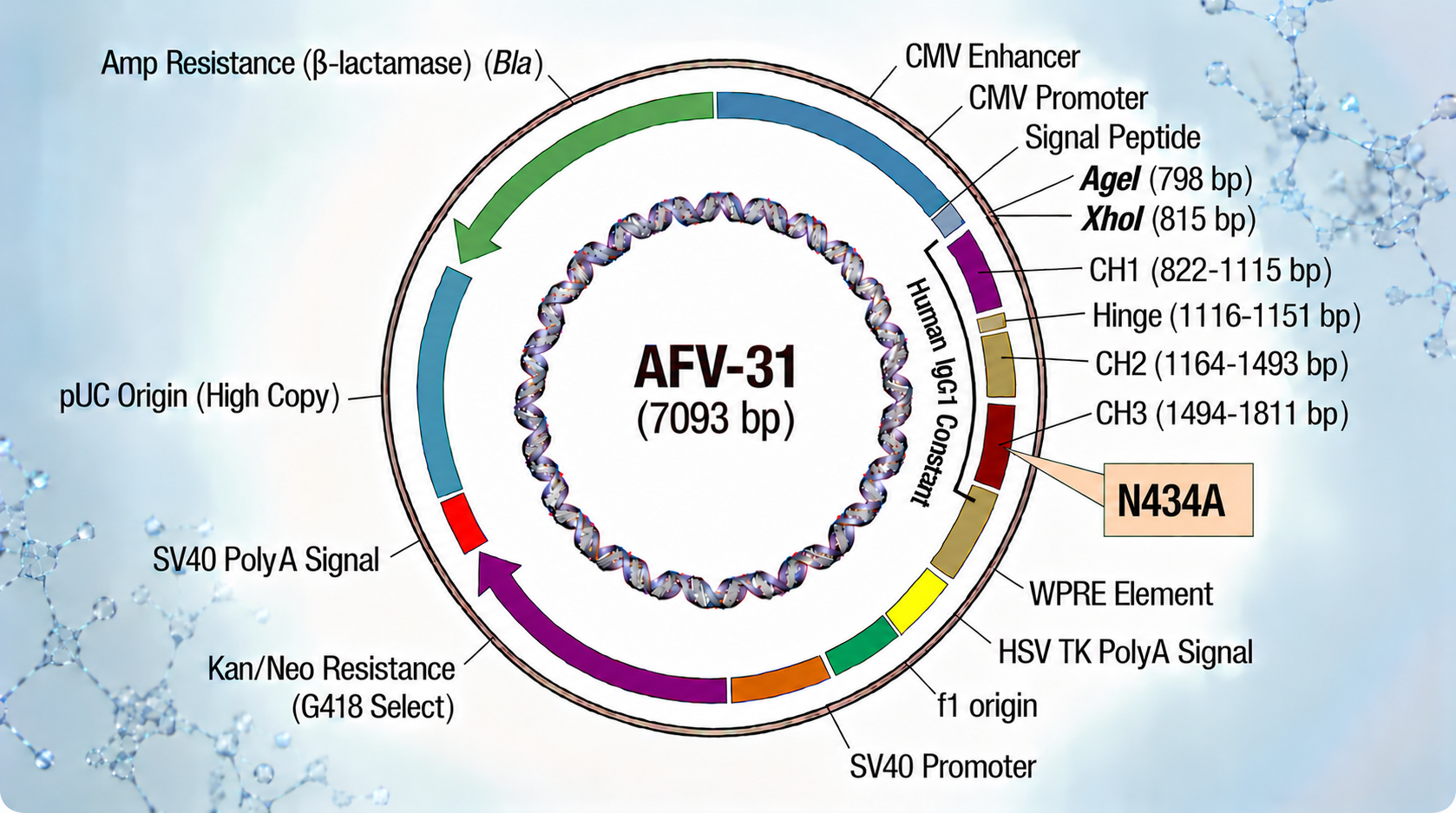
Human IgG1 (N434A)
Price range: $680.00 through $1,240.00 -
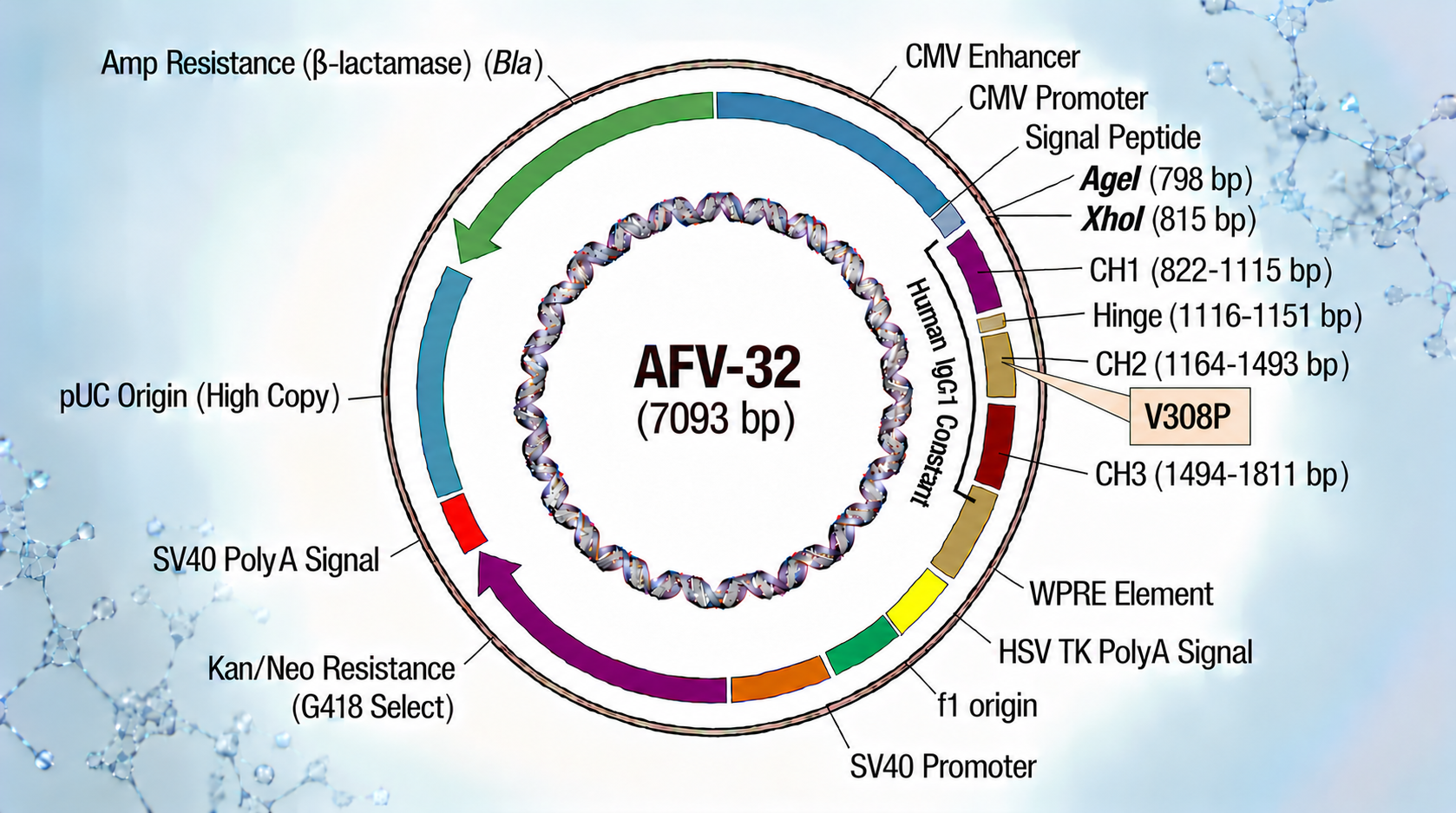
Human IgG1 (V308P)
Price range: $680.00 through $1,240.00